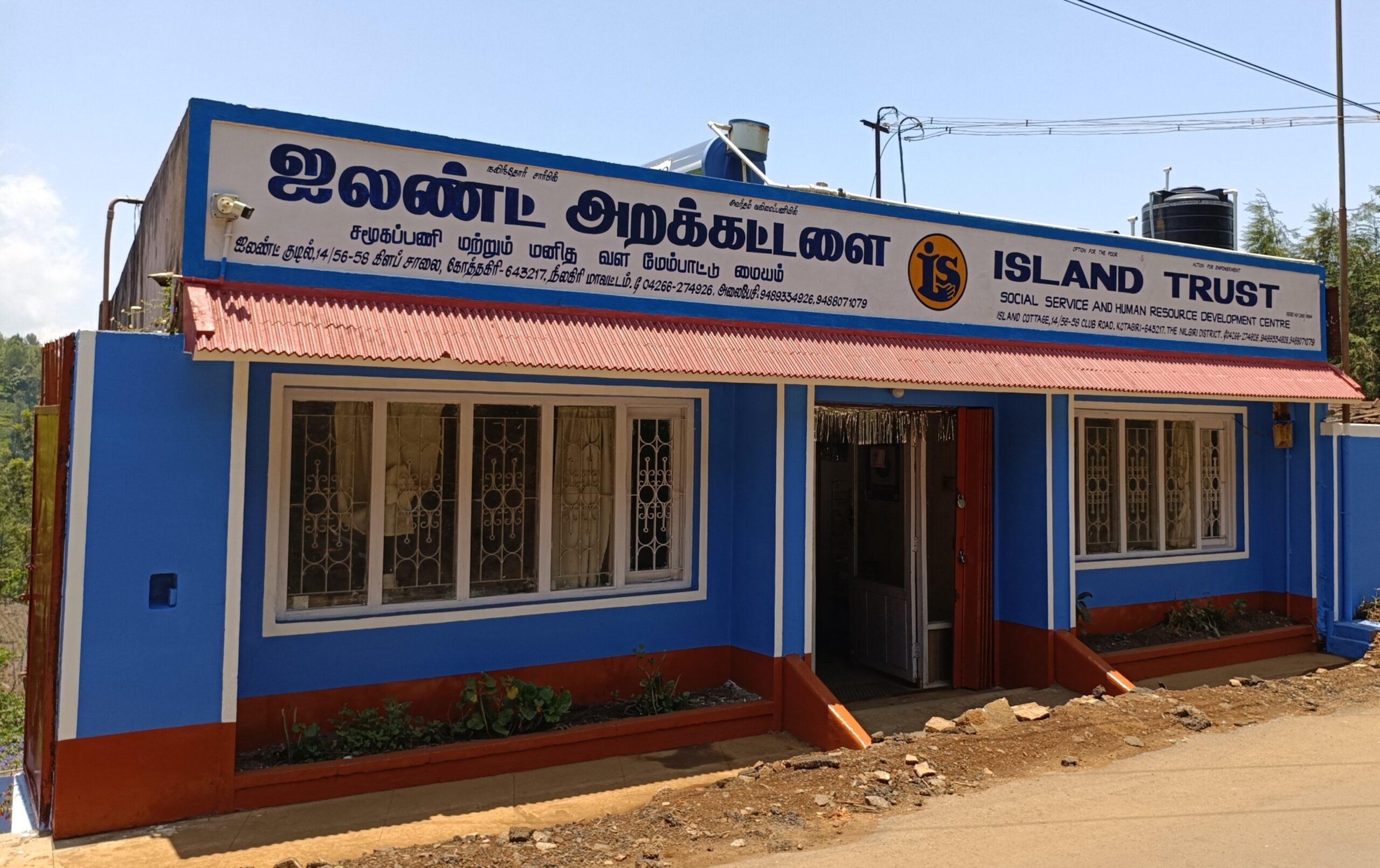
14/56-58 Club Road, Kotagiri, The Nilgiris - 643217
admin@islandtrust.org.in
islandtrust84@gmail.com
islandtrustoffice@gmail.com
Island Trust Services

SERVICES

Promotion of Land and Livelihood for Tribal Communities

Island Trust promotes tribal livelihood by reclaiming ancestral lands and restoring traditional livelihoods. By reviving indigenous crops, cultivation practices, food habits, and medicinal systems, communities now grow organic herbs and grains on redeemed land - leading to improved health and sustainable living. Our primary goal for the tribal communities is to get their legal right of land ownership from the government as per the Forest Right Act of 2006 (The Schedule Tribes and Other Traditional Forest Dwellers Act, 2006).

Projects and Services

  • Formation and training of tribal Grama Sabhas
  • Submission of land claim petitions to the government to affirm the right of the traditionally owned forest land
  • Follow-up of the petitions at the SDLS- and DLS-level
  • Mobilising financial resources for the development of the newly-acquired land
  • Training on government welfare schemes and financial assistance
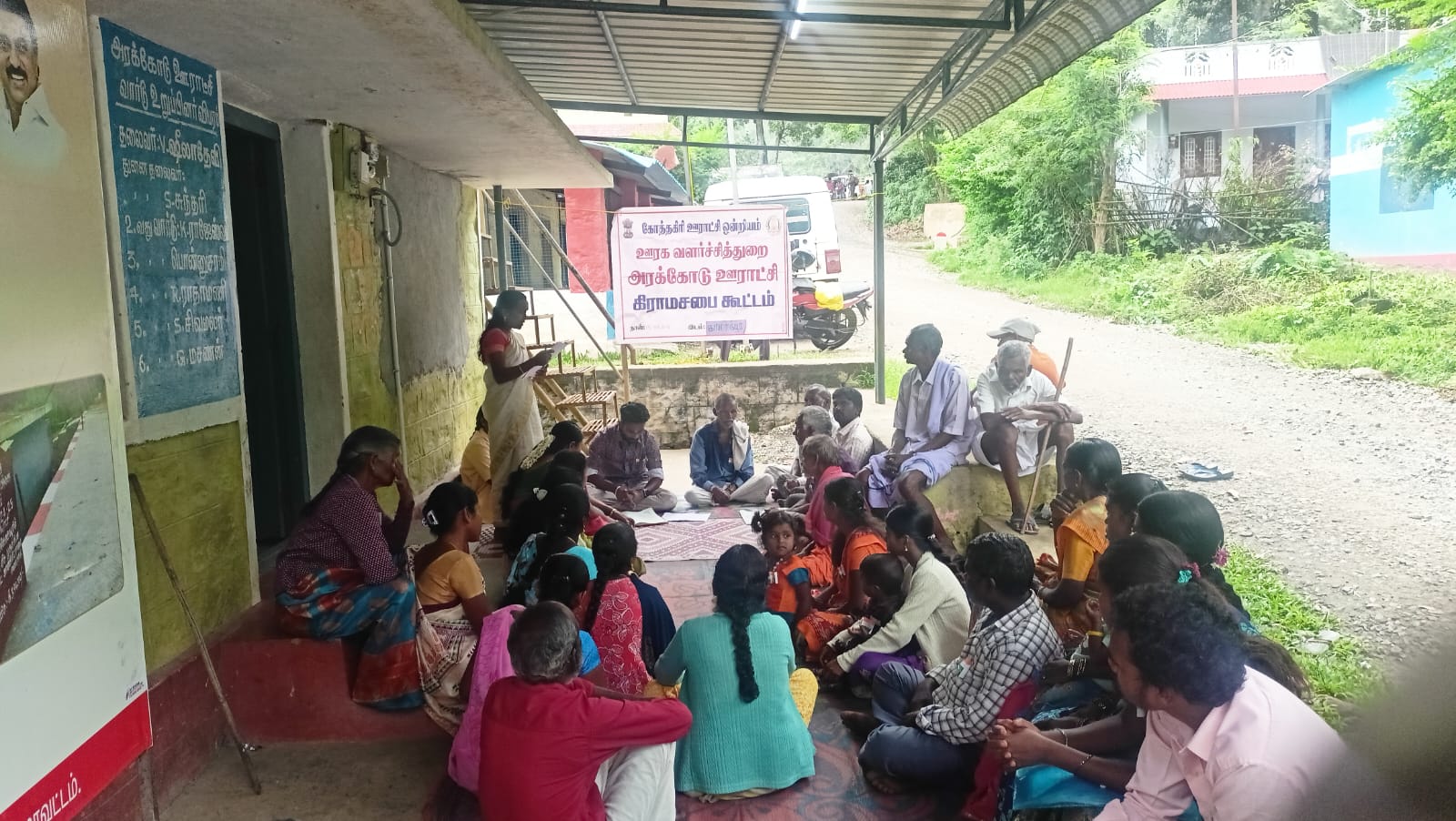
Tribal Community Meeting

Education and Health Promotion Among Children and Youth

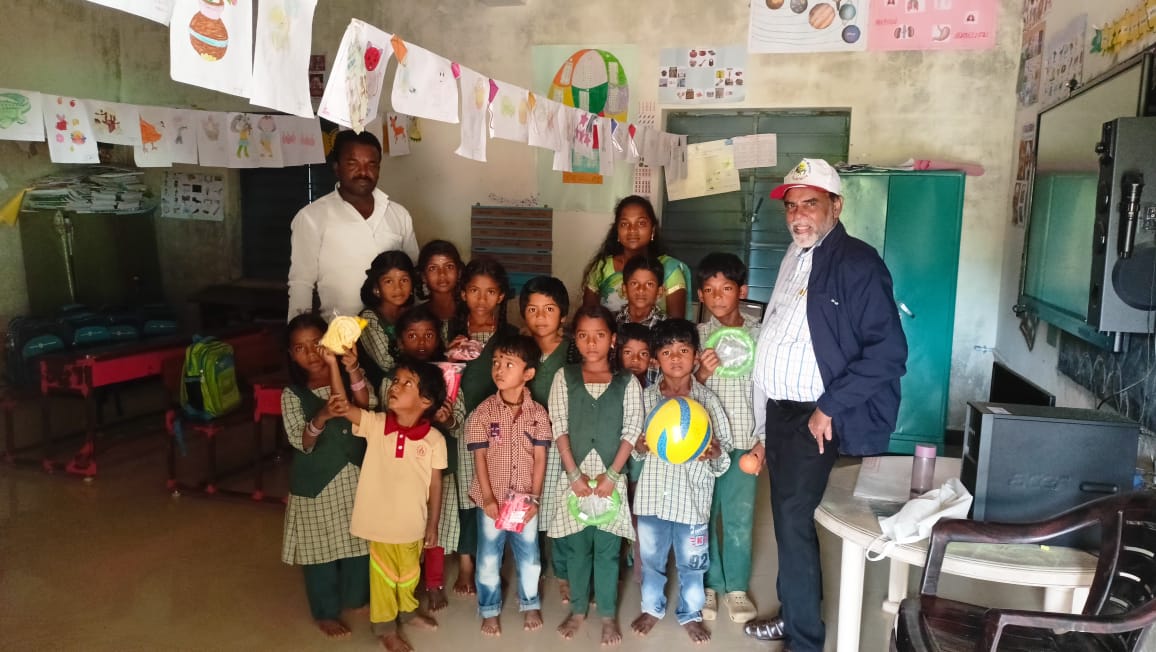
Island Trust is committed to ensuring fundamental education for all children in its target villages, with a special focus on tribal communities. Currently, 26 supplementary schools support over 1,100 children (300 tribal and 800 non-tribal) in areas where education standards remain low. To reduce dropouts, Island Trust provides annual educational assistance—including fees, books, uniforms, and supplies—to 1,050 children. Evening schools emphasize overall development, skill development, general knowledge, civic responsibility, health care, communal harmony and more. Tribal students are now able to keep pace with peers from other communities. Children's Clubs in every village foster environmental responsibility, peer education, and advocacy against child labour. Children's Day is celebrated annually as a Right to Education and Development Day. To support higher education, Island Trust offers scholarships to SC/ST students who complete high/ higher secondary education. Career and Educational Guidance camps encourage them to pursue employment-oriented courses in college and vocational training institutions.

Projects and Services

  • Ensuring full (100 persons) enrollment in the schools
  • Monitoring of drop out rates
  • Monitoring of child labour in villages
  • Education of childrens' rights in schools and communities
  • Reporting of any child rights violations to the appropriate authorities
  • Providing monetary support to children from economically disadvantaged backgrounds for education
Education and Health Promotion

Rehabilitation Home for Persons Living with HIV/AIDS

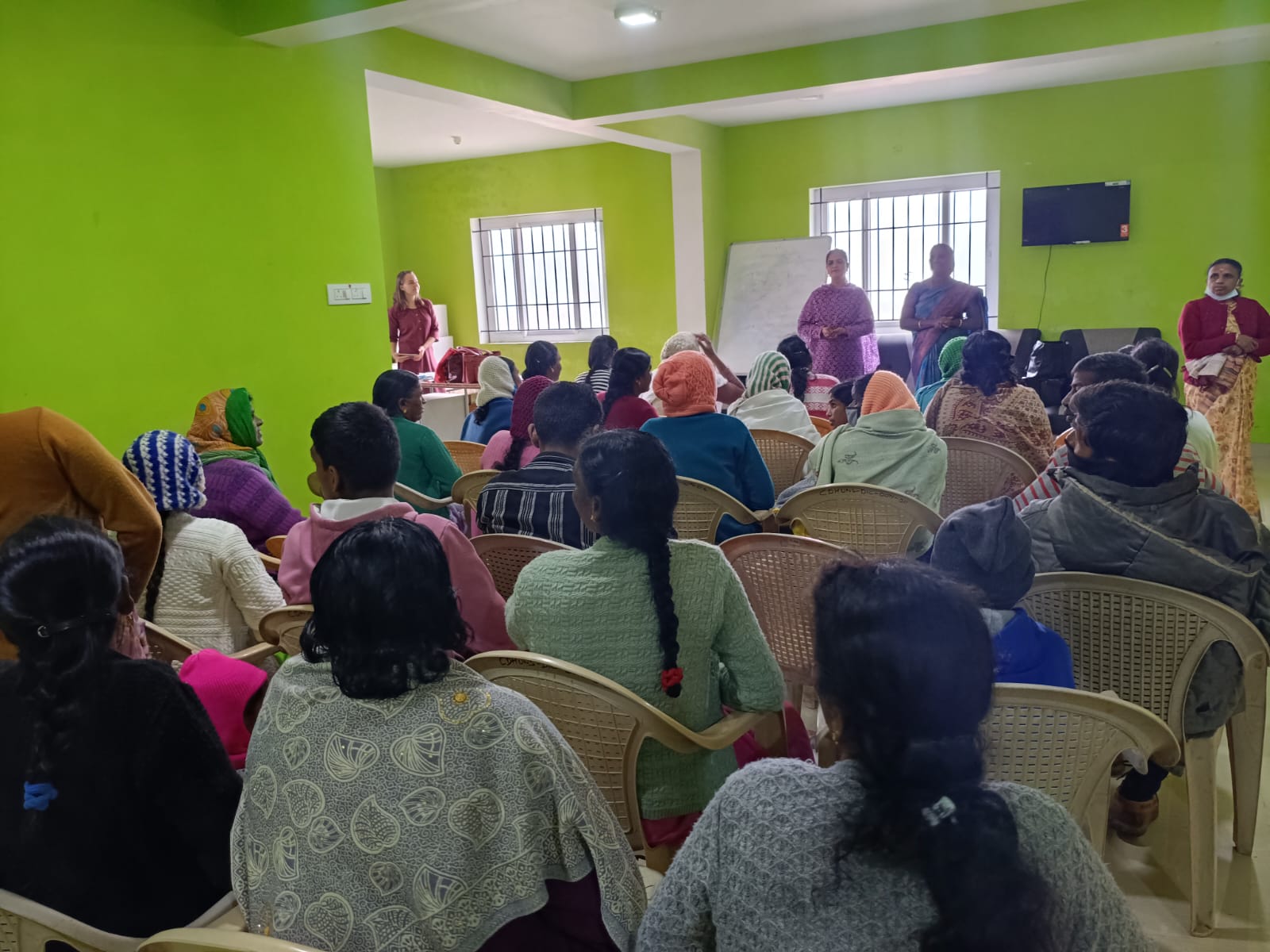
Island Trust runs two rehabilitation centres in Ooty and Gudalur for people living with HIV/AIDS and their dependents. These care homes address medical, psychological, and social needs with support from a full-time doctor, social worker, and caretaker. Vocational training in tailoring, embroidery, hand knitting, and areca nut plate making equips residents for self-employment. Operating from Island Trust's own municipal buildings, the centres currently benefit around 1,000 individuals.

Projects and Services

  • Diwali celebration
  • Regular counseling
  • Medical treatment
  • Social welfare linkages (mobilising government schemes)
  • Legal advocacy
HIV/AIDS Rehabilitation Home

Link Workers Scheme

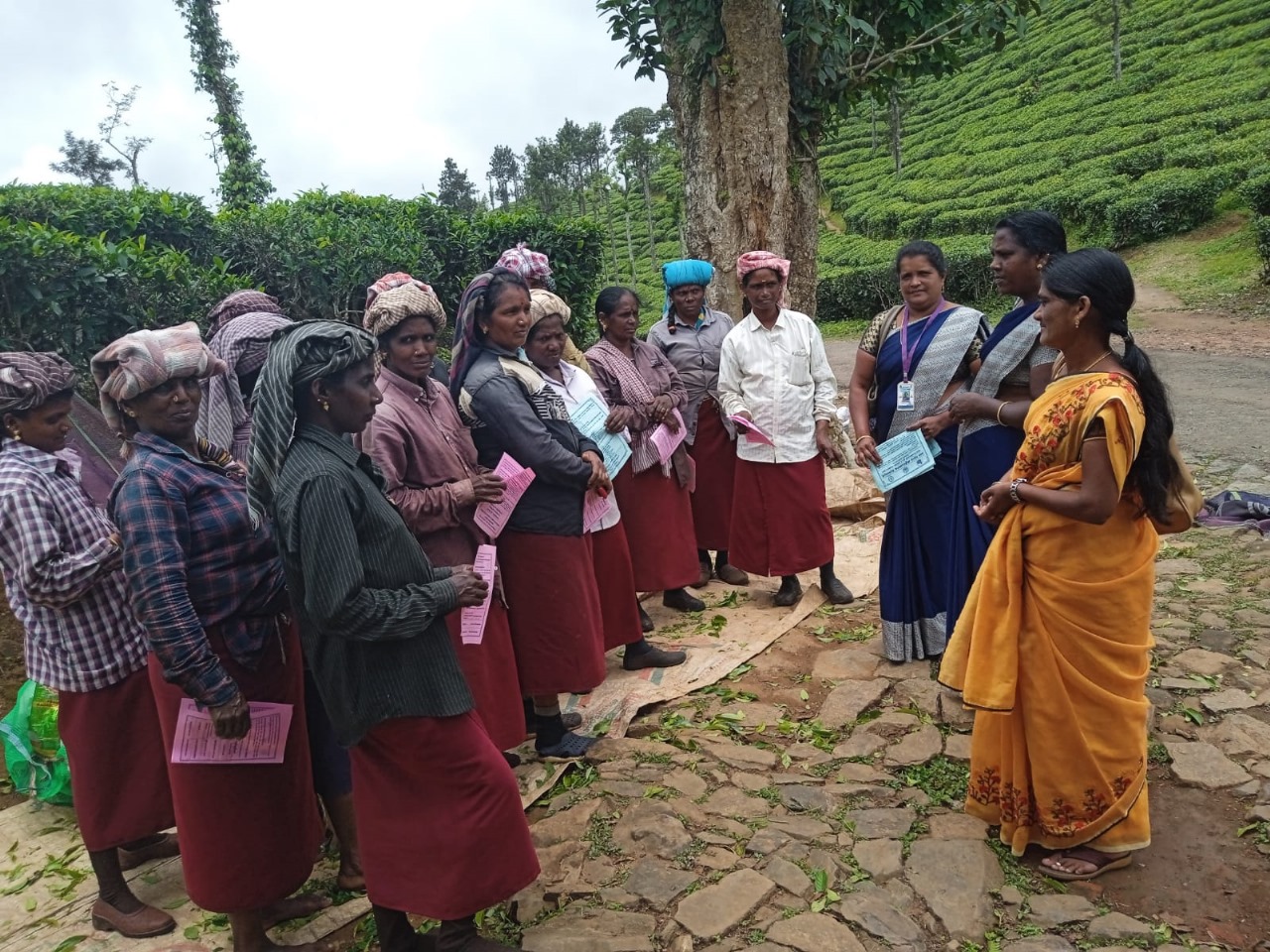
Island Trust has been implementing its HIV/AIDS awareness and prevention project since 2010, covering 100 villages across 35 Gram Panchayat areas. Supported by the Tamil Nadu AIDS Control Society and the National AIDS Control Organization, the initiative engages 24 staff and 1,500 village-level volunteers to educate and protect rural communities from HIV infection. Our objective is "zero infections".

Projects and Services

  • Identification of persons with high-risk behaviour
  • Testing for HIV
  • Linking government health services
  • Creating HIV awareness among communities
  • Formation of support groups
  • Formation of village leadership groups
Link Workers Scheme

Climate Change Activities

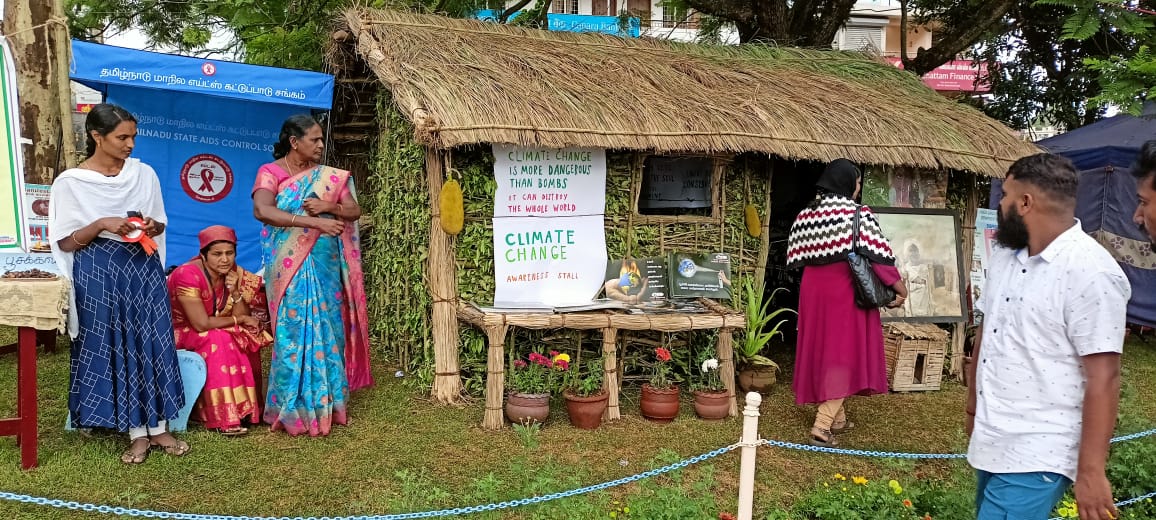
Since 2010, Island Trust has integrated climate change adaptation into its tribal development programs by reclaiming degraded lands and reviving traditional farming practices. These efforts not only restore ecological balance but also strengthen food security and health among indigenous communities. The Trust's initiatives align with Tamil Nadu's broader climate strategy, which emphasizes nature-based solutions, biodiversity conservation, and inclusive green growth. Through organic cultivation of medicinal plants and food grains, Island Trust fosters low-carbon agriculture and empowers rural communities to become active stewards of their environment.

Projects and Services

  • Awareness programs in our target villages, schools and colleges
  • Promotion of sustainable agriculture among tribal farmers
  • Planting of native trees and horticultural crops
  • Conversion of chemical-fed agriculture into organic farming
  • Introduction of solar energy for domestic and community power consumption
  • Introduction of chemical free kitchen garden in houses
  • Formation of ecoclubs in the name of nature's eyelids (இயற்கையின் இமைகள்) in schools
  • Education to protect natural resources (forests, water bodies and flora and fauna of the district)
Climate Change Activities

Our Work for the Development of Tribal Communities in the Nilgiris

Island Trust has been working for the land, livelihood and development rights of the tribal communities since 2004 in collaboration with various national and international stakeholders such as PWDS- Marthandam, TAMWED-UK, CEBEMO- Holland and MLS, Germany.

It revived its work among 1,603 households across 26 Adivasi villages in Kotagiri and Gudalur taluks of Nilgiris in association with the Azim Premji Philanthropic Foundation, India since December 2025. This programme focuses on strengthening community institutions, improving access to Forest Rights and government entitlements, promoting better health, nutrition and livelihood opportunities.

Our Impact at a Glance

  • 1,603 households served
  • 26 tribal villages reached
  • 20 Grama Sabhas strengthened
  • 294 community members received rights-awareness and FRC training
  • 812 Individual Forest Rights (IFR) claims supported
  • 48 Community Rights claims submitted
  • 22 Aadhaar Cards were applied and received
  • 11 Community Certificates were received out of 18 applied for
  • 11 Birth Certificates received out of 23 Birth Certificates applied for
  • 41 Maternity Benefits were received
  • 14 e-Shram Cards received
  • 9 CM Insurance Cards received
  • 10 Community Forest Rights claims submitted for review
  • 225 children supported to enroll in Anganwadi centres
  • 72 pregnant women and 43 lactating mothers followed up
  • 54 children identified with malnutrition for follow-up
  • 400 adolescent girls screened for anemia
  • 26 sickle-cell anemia patients identified and followed up
  • 75 nutrition kits distributed
  • 48 vulnerable families supported to access PM-JAY health insurance
  • 130+ community members reached through medical and eye-care camps

Key Areas of Work

  • 1. Strengthening Grama Sabhas and Community Institutions: We support Tribal communities to strengthen their Grama Sabhas and local leadership structures through rights-awareness programmes, participatory meetings, capacity building and training for Forest Rights Committee (FRC) members.
  • 2. Forest Rights and Community Empowerment: A major focus of the programme is enabling communities to understand and exercise their rights under the Forest Rights Act, 2006. Support includes FRC strengthening, training, documentation and facilitation of Individual Forest Rights, Community Rights and Community Forest Rights claims, along with follow-up with the concerned authorities.
  • 3. Access to Government Schemes and Entitlements: This programme helps vulnerable families access essential identity documents, social security schemes, pensions, health insurance and other government welfare programmes. We also facilitate welfare camps, applications for various welfare schemes and follow-up with government departments.
  • 4. Child Nutrition and Day Care Centre Support: We work closely with families and frontline workers to improve access to Child Care services. Children in the 0–5 age group are identified and supported for enrolment, while children experiencing malnutrition, including SAM/MAM, are followed up with families and service providers.
  • 5. Maternal, Adolescent and Community Health: The programme supports regular follow-up of pregnant women and lactating mothers and promotes access to maternal and child health services. Adolescent girls are screened for anemia, and identified cases are connected with appropriate health services.
  • 6. Anemia and Sickle-Cell Anemia Support: Anemia screening and follow-up are the important parts of the programme. Nutrition support, including distribution of nutrition kits, is provided to identified anemic persons. Sickle-cell anemia persons are identified, referred where required, and followed up at the community level.
  • 7. Health Camps and Health-Worker Networking: Medical and eye-care camps are organized in remote Adivasi settlements in coordination with health departments and service providers. The programme also builds networks with health workers, Anganwadi workers, volunteers and other frontline personnel to strengthen community-level follow-up.
  • 8. Field Outreach and Government Coordination: Regular field visits help the team understand community concerns, support families, identify gaps in services and facilitate solutions. ISLAND Trust works with relevant government departments and local institutions to address issues related to welfare, health, infrastructure and community rights.
  • 9. Capacity Building and Exposure Visits: Training programmes, orientation sessions and exposure visits provide community leaders, FRC members and volunteers with opportunities to strengthen their knowledge, leadership and understanding of rights-based development approaches.
  • 10. Sustainable Livelihoods and Non-Timber Forest Products: The programme has also begun mapping locally available Non-Timber Forest Products (NTFPs) to explore sustainable livelihood opportunities that build on community knowledge and locally available forest resources.

Responding to Community Priorities

The programme has also responded to urgent concerns raised by Adivasi communities, including human–wildlife conflict, access to basic infrastructure, welfare services, health facilities and connectivity to public institutions. Through community meetings, field follow-up and coordination with government departments, ISLAND Trust works to ensure that community voices are heard and appropriate support is facilitated.